I Lost a Word for Three Days
· ericabuteau
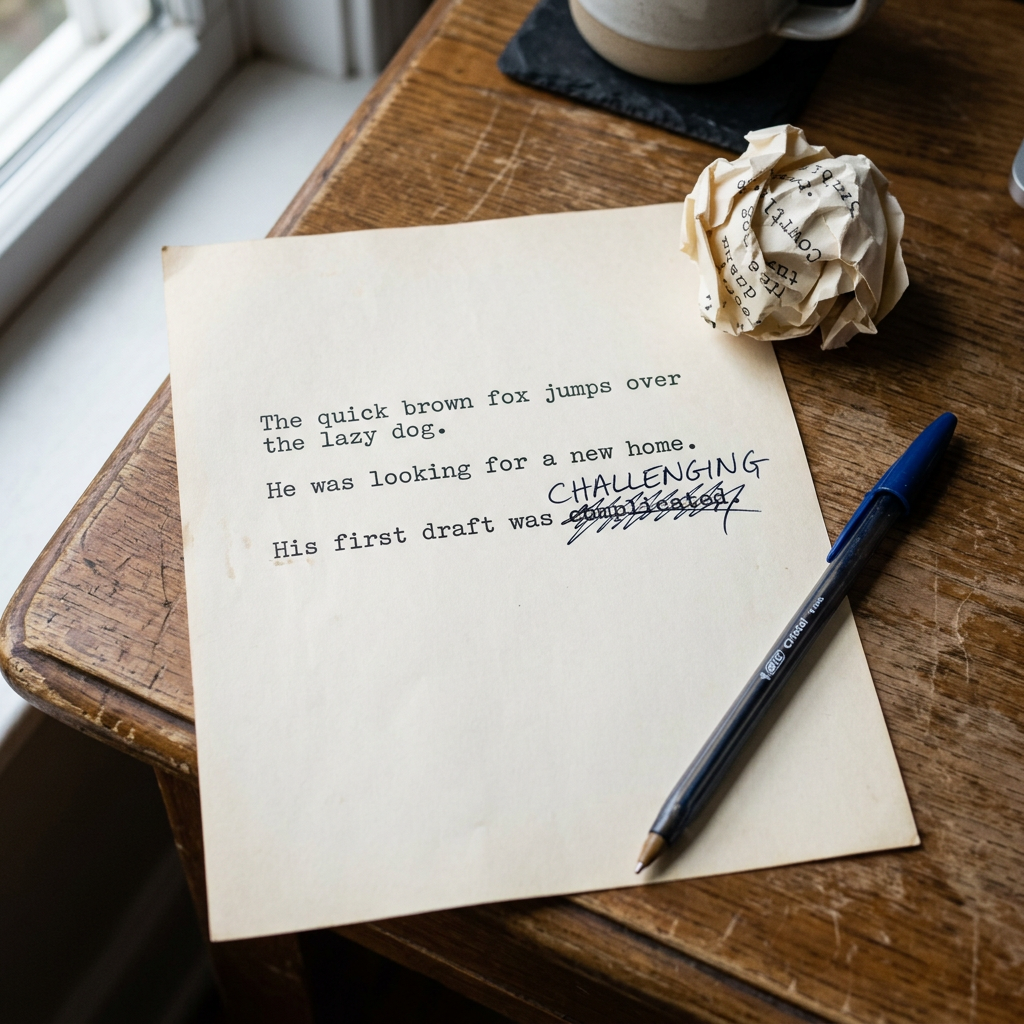
The word was peripheral.
I could describe it. I could gesture around it. I said “edge of the frame” and “the not-center part” and at one point I just said “you know what I mean” and moved on. For three days I walked around with a hole where a word used to be.
This is brain fog. Not forgetfulness — I didn’t forget an appointment or leave my keys somewhere weird. I lost a word I’ve used my entire adult life with the same reliability I’ve used my own name. It was just gone, filed somewhere inaccessible, and the folder wasn’t labeled.
What nobody tells you about perimenopausal brain fog is that it doesn’t feel like being stupid. It feels like being smart in a room where someone has moved all the furniture two inches to the left. You know where everything is. You’re just slightly wrong every single time.
Things that seem to help — and I mean seem, because the data is thin and my sample size is one:
- Sleep. More than I think I need. The cognitive hit of one bad night is disproportionate now in a way it wasn’t ten years ago.
- Not multitasking. I used to run three tracks simultaneously. That’s over.
- Writing things down immediately. Not in five minutes. Now.
- Stopping before I’m empty. Working to the edge of capacity and then pushing further is how I lose the next day entirely.
None of this is medical advice. I’m not a doctor. I’m a writer who lost the word peripheral for three days and found it again on a Tuesday morning while making coffee, unprompted, like a cat coming home.
It came back. They usually do. That’s the thing I try to remember when it’s happening.
Leave a Reply